Germany will recognize clubs as cultural venues in a historic reform
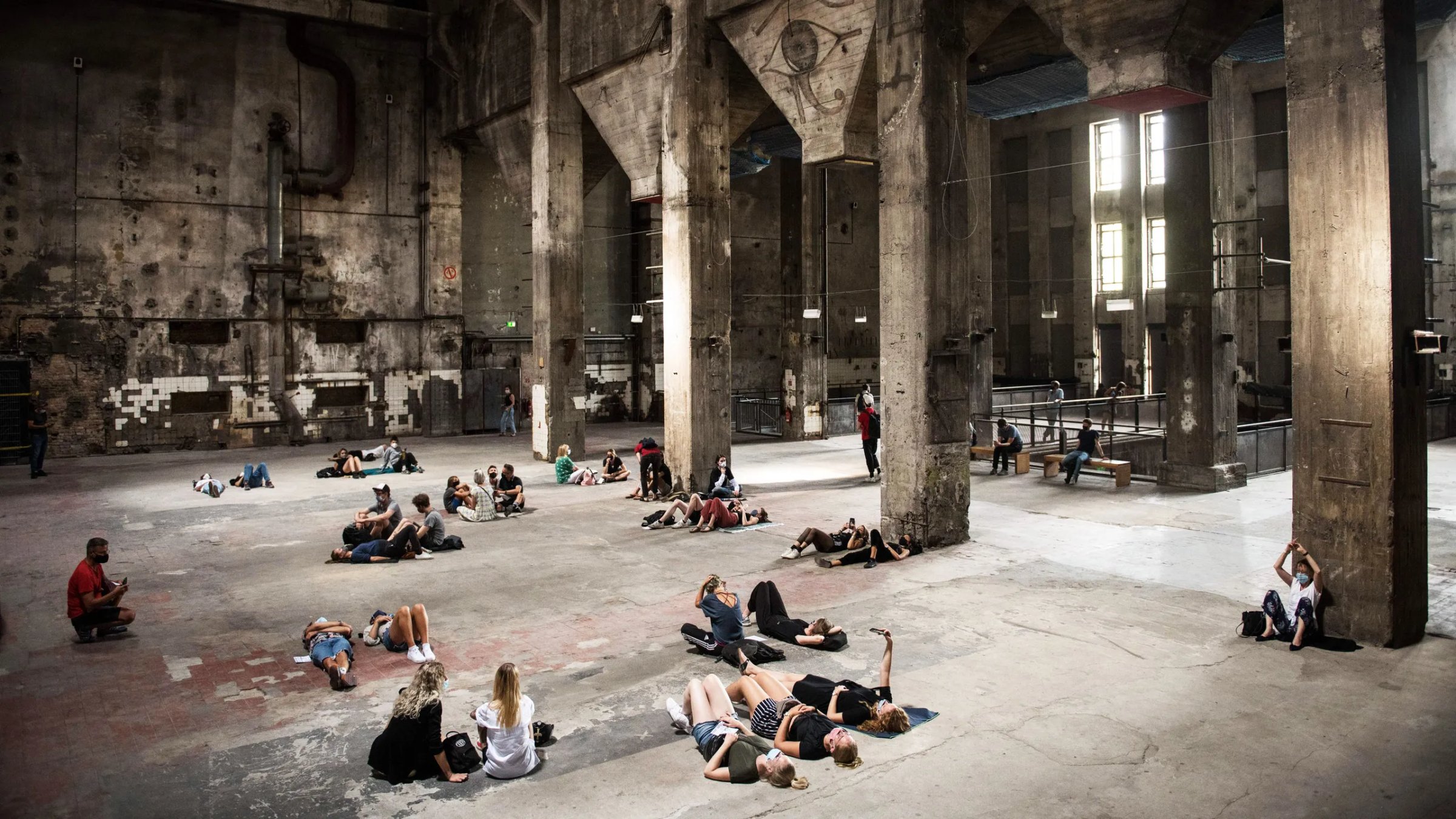
The German government has just taken a major step for the European nightlife scene: a reform of urban planning law plans to officially recognize nightclubs as cultural and artistic venues, on the same level as theaters or museums.
This legal development could profoundly change the way clubs are viewed, protected and integrated into German cities.
A change of status to protect the club scene
Until now, clubs were often classified in the same category as entertainment or commercial establishments, which made them more vulnerable to real estate pressures, neighborhood complaints, and the risk of eviction.
With this reform, the German authorities want to recognize their cultural and artistic value, which would strengthen their protection against gentrification and urban development projects.
In practical terms, clubs could be treated more like traditional cultural institutions, with direct consequences for their location in cities.
A challenge in the face of the gradual disappearance of clubs
This decision comes at a fragile time for the German club scene. For several years, many cities such as Berlin, Cologne, and Hamburg have been facing a decline in the number of clubs, mainly due to rising rents, real estate pressure, and noise-related conflicts.
In some urban areas, iconic venues have already closed or been forced to relocate, fueling a phenomenon often described as the “death of clubs”.
Recognition that has already begun several years ago
This is not the first time that Germany has recognized the importance of its club scene.
In Berlin, in particular, several rulings had already allowed certain clubs to be considered cultural institutions, with tax advantages or specific protections. Venues like Berghain even obtained this status through local court decisions.
In 2024, the Berlin techno scene was also inscribed on UNESCO’s Intangible Cultural Heritage list, confirming its importance in the country’s cultural identity.
A broader vision of urban culture
For advocates of nightlife, this reform marks above all a fundamental shift: the recognition of clubs as spaces for creation, socialization and artistic innovation.
Clubs are no longer seen simply as places of nighttime entertainment, but as full-fledged players in the cultural and economic life of cities.
A decision that could set a precedent in Europe
If the reform is definitively adopted, Germany could become a model for other European countries facing the same tensions between nightlife and urbanization.
05/06/2026
écrit par la rédaction